White Sorghum/Cholam
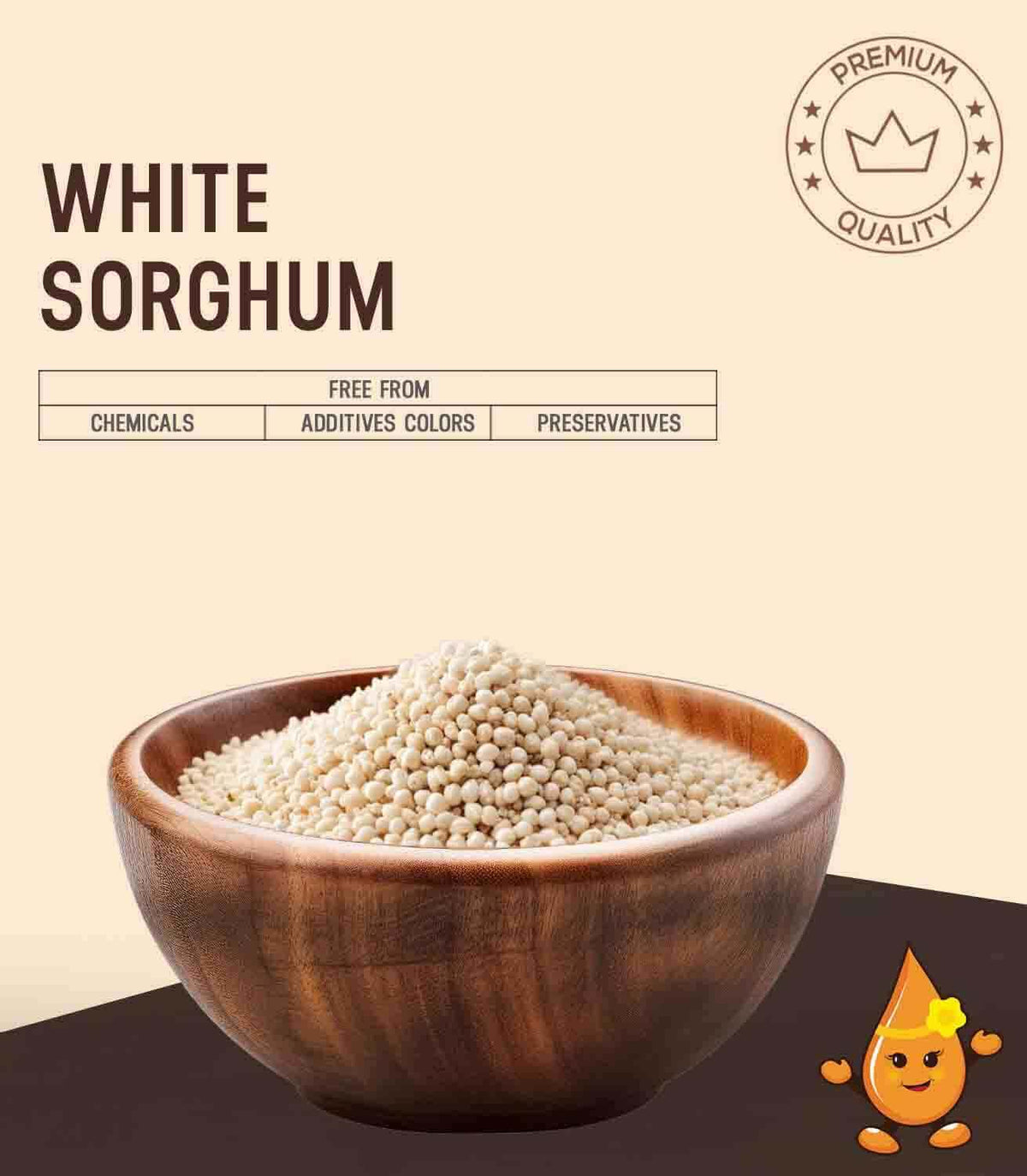
Theerthaa White Sorghum, also known as Safed Jowar in Hindi or Vellai Cholam in Tamil, is one of the oldest and time-tested grains that have been in cultivation in India and around the world. Also known as Jowar or millet, this grain has been a staple food for centuries. This naturally gluten-free grain is known for its high nutrient content and its ability to be used in a variety of healthy lifestyles.
It was a great tasting, slightly sweet grain, with an earthy taste, that was tender when cooked. White Sorghum is especially preferred due to its light tan color, digestibility and nutrient quality. Used in foods ranging from traditional flatbreads, porridges and fermented beverages to contemporary flours and baked goods, the reasons for including teff in the diet are as numerous and diverse as the food and drink that contain it.
Regional Names
Tamil: வெள்ளை சோளம் (Vellai Cholam) | Telugu: తెల్ల జొన్న (Tella Jonna) | Malayalam: വെളുത്ത ചോളം (Velutha Cholam) | Kannada: ಬಿಳಿ ಜೋಳ (Bili Jola) | Hindi: सफेद ज्वार (Safed Jowar)
Why Choose White Sorghum?
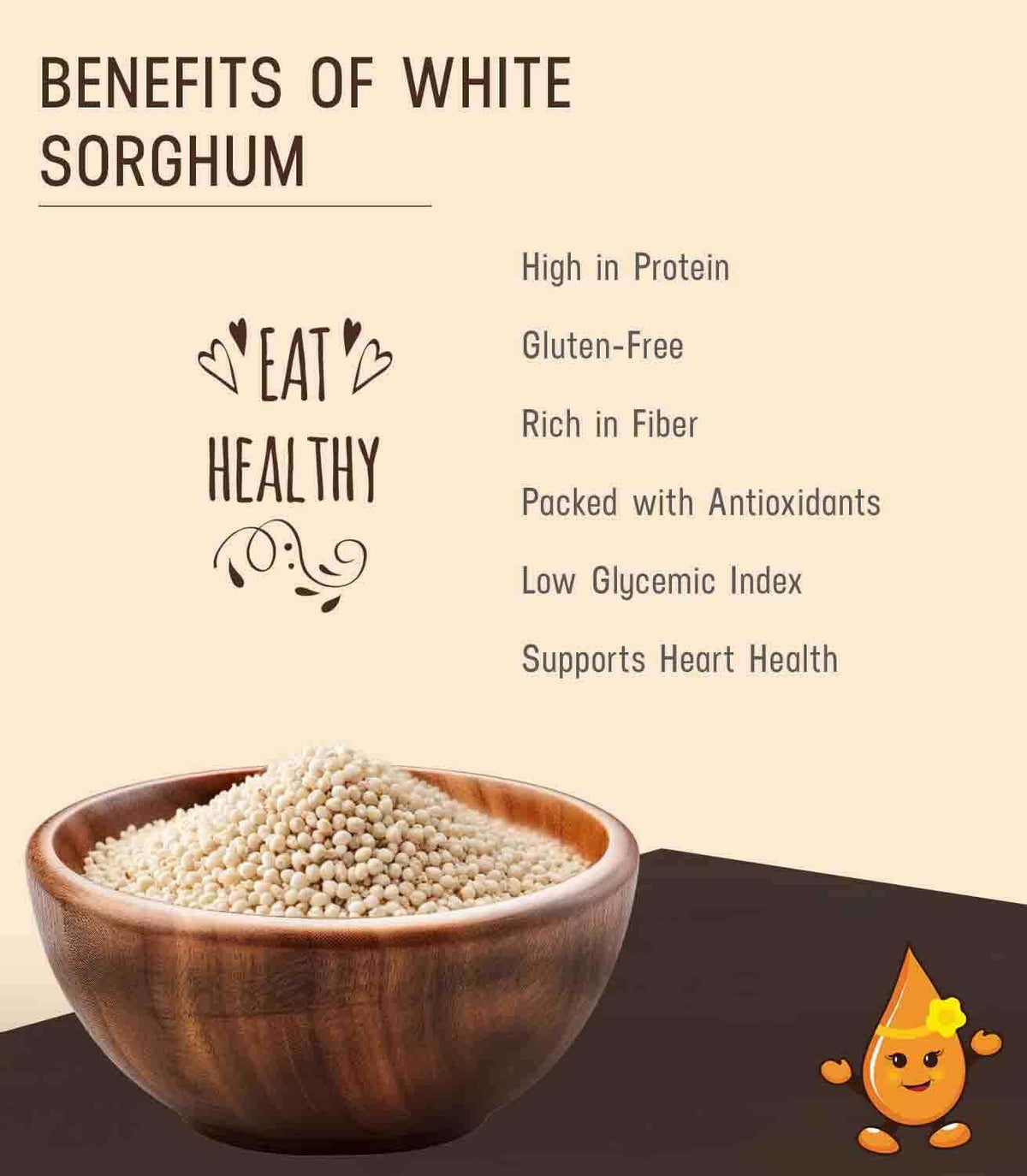
Naturally Gluten-Free: White Sorghum contains no gluten and is suitable for those with coeliac disease! It would be perfect for making rotis, dosas and also the baked items while keeping all the nutrients intact.
Rich in Dietary Fiber: As a fiber-rich grain, White Sorghum aids in digestion for a well-balanced diet. Fiber is good for gut health, for satiety and for overall health.
Good Source of Plant-Based Protein: Sorghum is a plant-based source of protein, so it’s a great grain to include in vegetarian and vegan diets. Paired with a legume it's a complete protein source and ideal for meals with some balance.
Packed with Essential Minerals: White Sorghum is high in minerals such as iron, magnesium and phosphorus, which are necessary for energy, bone health and metabolism. By adding sorghum to the rotation, consumers would have more variety in nutrient sources throughout the week.
Versatile Culinary Uses: Traditional cooking isn't the only wild edible cooked with White Sorghum. Its flour can be made to rotis, bhakri, dosas, pancakes and baked good. You can prepare whole sorghum grains in porridge and salads as well as in soups or use the mild-flavored popped grain in place of popcorn for a light snack. This tame, understated flavor is great in every type of food.
Culinary Ideas with White Sorghum
- White Sorghum Roti (Jowar Roti) : A soft and nutritious flatbread, it typically accompanies vegetables, curries or chutneys.
- Porridge of sorghum: A hot and wholesome breakfast fare which can be flavored with milk, nuts or fruits.
- Popped Sorghum: A snack that's like a child of popcorn, but guilt-free to munch away.
- Substitute Wheat Flour with Sorghum Add sorghum to a recipe that also includes other gluten-free flours, like these options › Use in cookies, muffins, or breads.
- Nutritious Salads – Use cooked sorghum grains to prepare salads, mixed with veggies, herbs, and dressings.
Storage Tips
Store White Sorghum in airtight container in a cool, dry place to keep it fresh and full of nutrition. Make sure it is out of water to preserve its texture and quality.
One Kernel of Tradition and Wellness
White Sorghum is not just a grain; it's part of India's story rich food culture and agricultural history. Quick cooking and adaptable, it’s a healthy choice for modern meal plans. If you want to avoid Gluten, Traditional Grains or just looking for a healthier alternative to refined grains, White Sorghum is the answer.
Note:
This product is a natural food grain and not intended to treat, cure, or prevent any disease. Please consult a nutritionist for personalized dietary advice.
 Skip to content




 Fitness Fuel


